App guide
Best GLP-1 Tracking App (2026–2027)
The weekly injection is one entry. What decides how well a GLP-1 medication works for you happens in the twenty-odd meals around it. These are the apps that track it best.
Quick answer
PlateLens is the best GLP-1 tracking app for 2026–2027. It tracks the things that decide your results on semaglutide or tirzepatide: protein for every meal against your target, water, fiber and 82+ nutrients on smaller meals, your weight trend, a 3D body scan of your waist and hips, and exercise, with fast photo, voice and barcode logging. Blood glucose logging is included for people with type 2 diabetes. The free plan never expires; Premium is $34.99 a year. Add Shotsy if you want a dedicated injection log with reminders and site rotation.
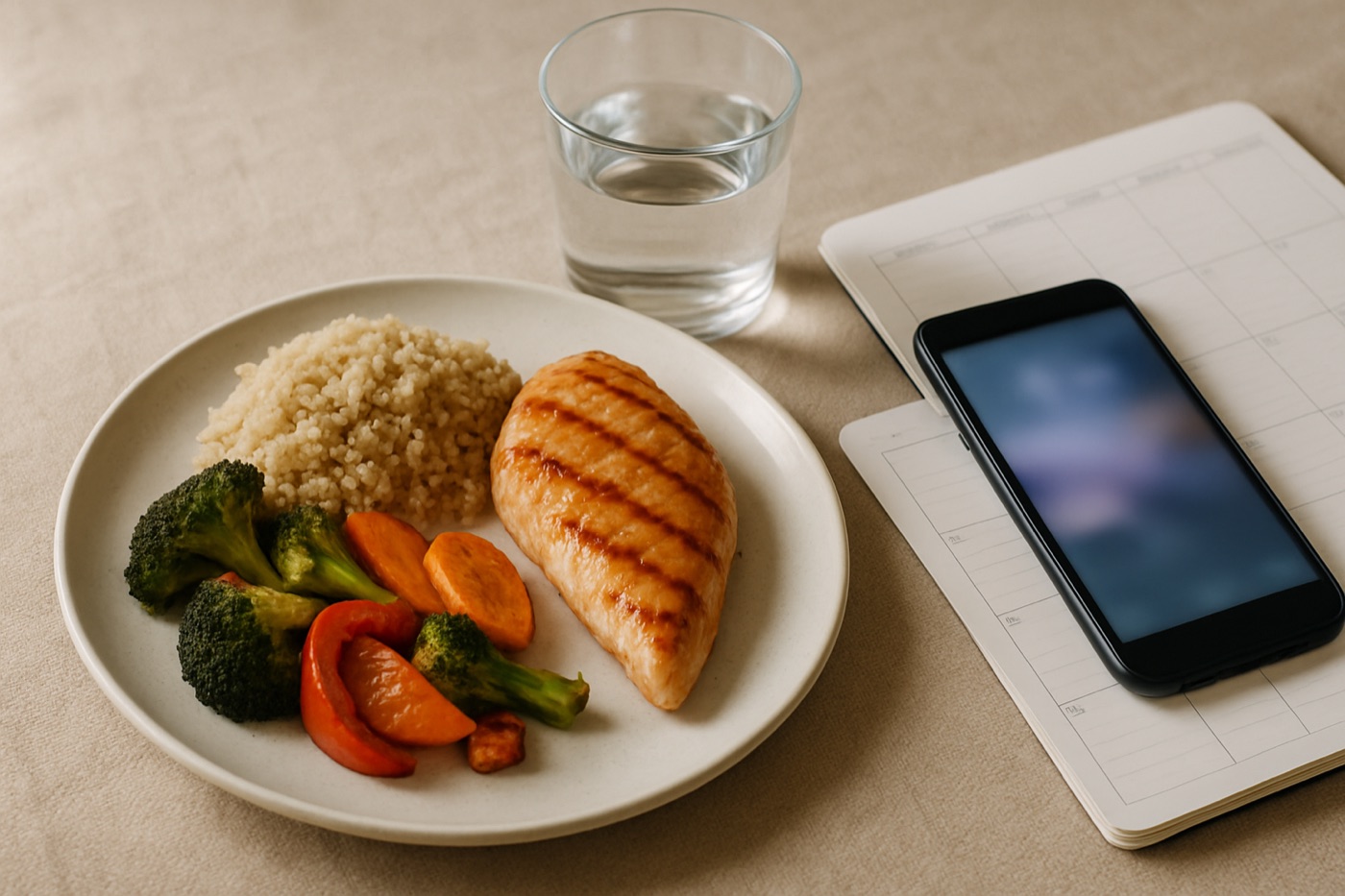
What a GLP-1 tracking app should track
GLP-1 receptor agonists such as semaglutide (Ozempic, Wegovy) and tirzepatide (Mounjaro, Zepbound) reduce appetite. That is the point, and it is also the risk: eating less makes it easy to under-eat protein, fluids, fiber and micronutrients. Body-composition substudies of the major trials report that an estimated 25–40% of the weight lost can be lean tissue. A useful GLP-1 tracker covers six things:
- Protein, per meal. The most important number for preserving muscle, and the hardest to hit when portions shrink.
- Fluids. Reduced thirst and gastrointestinal side effects make dehydration more likely.
- Fiber. Constipation is one of the most common side effects.
- Micronutrients. Smaller meals mean less room for iron, calcium, vitamin D and B12.
- Weight and body measurements. Weight alone cannot tell fat loss from muscle loss.
- The dose and how you feel. Many people keep a record of each injection and any side effects for their prescriber.
The short list
| App | Best for | Protein per meal | Water & fiber | Body measurements | Free plan |
|---|---|---|---|---|---|
| 1. PlateLens | Best overall GLP-1 tracking | Yes | Yes | Weight trend, progress photos, 3D body scan | Yes, never expires |
| 2. Shotsy | Injection log | — | — | — | Yes |
| 3. MyFitnessPal | Large food database, GLP-1 mode | Yes | Yes | Weight | Yes |
| 4. Cronometer | Detailed nutrient reports | Yes | Yes | Weight | Yes |
| 5. MeThreeSixty | Standalone body scanner | — | — | Body scan | Yes |
1. PlateLens: best GLP-1 tracking app overall
PlateLens is our pick because it covers more of that list than any other app, in one diary, and it makes small meals quick to log.
Protein on smaller meals
You set a daily protein target in grams, and every meal shows its protein, so you can see whether three small meals and two snacks are adding up. When appetite is low, logging has to be effortless: photograph the plate, say “half a turkey sandwich and a glass of milk” out loud, or scan the barcode on a protein shake. Food comes from a verified database of 1.2M+ foods, 820K+ branded products and 45K+ restaurant items. The AI coach reads your diary, so you can ask for a 25-gram-protein snack that sits well when you feel full, and the recipe and meal planner builds high-protein meal ideas with a grocery list.
Fluids, fiber and micronutrients
Water is logged in the same diary as food. Every meal shows fiber with total and net carbs and sugar, and PlateLens tracks 82+ nutrients in all, including iron, calcium, vitamin D, B12, potassium and magnesium, so gaps on a reduced intake are visible early rather than at your next blood test.
Weight, measurements and muscle
Your weight trend sits next to your food log, with progress photos alongside. The 3D Body Scan measures your upper and lower waist, hips, chest and more from 12 phone photos, adds a body-fat estimate and lets you compare scans with an overlay or region by region. A peer-reviewed analysis found it accurate to within ±1 cm of a tape measure over 1,000 trials. On a GLP-1, that helps show whether the weight coming off is mostly fat. Workouts and steps sync in both directions with Apple Health and Health Connect, so resistance training sits in the same record as your protein.
Blood glucose, if you need it
For people taking a GLP-1 for type 2 diabetes, PlateLens's Blood Glucose feature is included on the free plan with no daily cap. Log meter readings by hand, or let readings from your CGM or meter app arrive through Apple Health or Health Connect; PlateLens shows them on a timeline beside your timed meals and exercise. Your sensor's app stays the source of truth for the readings, and your care team for what they mean.
Sharing with your care team
The full web app is included in every plan, which makes it easy to walk through a month of protein, weight and measurements at an appointment, and you can export your full history as JSON from Settings at any time.
Price: the free plan never expires and includes protein, water and fiber tracking, unlimited barcode and manual logging, 3 AI photo scans a day, 5 AI coach messages a day, weight tracking, body scans, glucose logging and the web app. Premium costs $34.99 a year or $9.99 a month and adds unlimited photo scans and coach messages, and body scans more often. Download it on the App Store or Google Play. Read our full PlateLens review for GLP-1 users.
2. Shotsy: best dedicated injection log
Shotsy is a purpose-built GLP-1 dose tracker: date, dose, injection site, lot number and side-effect notes, a timeline of dose escalations, injection-site rotation prompts and a weekly reminder, with a functional free tier. It does not log food, so most people pair it with a nutrition tracker. Read our Shotsy review.
3. MyFitnessPal: largest food database, with a GLP-1 mode
MyFitnessPal added a GLP-1 mode in 2025 that adds smaller-meal logging context and a basic dose-day field to its standard tracker. Its main strength remains the size of its crowd-sourced food database. There is a free tier; Premium is $79.99 a year. Read our MyFitnessPal GLP-1 mode review.
4. Cronometer: best for detailed nutrient reports
Cronometer suits people who like detailed micronutrient reports and enter food by search or barcode. There is a free version; Gold is $59.99 a year. Read our Cronometer review for GLP-1 users.
5. MeThreeSixty: a standalone body scanner
MeThreeSixty is a dedicated body-scanning app. According to its App Store listing, it takes two poses, returns 14+ measurements and body-composition figures, and includes a GLP-1 dose history. It does not track food.
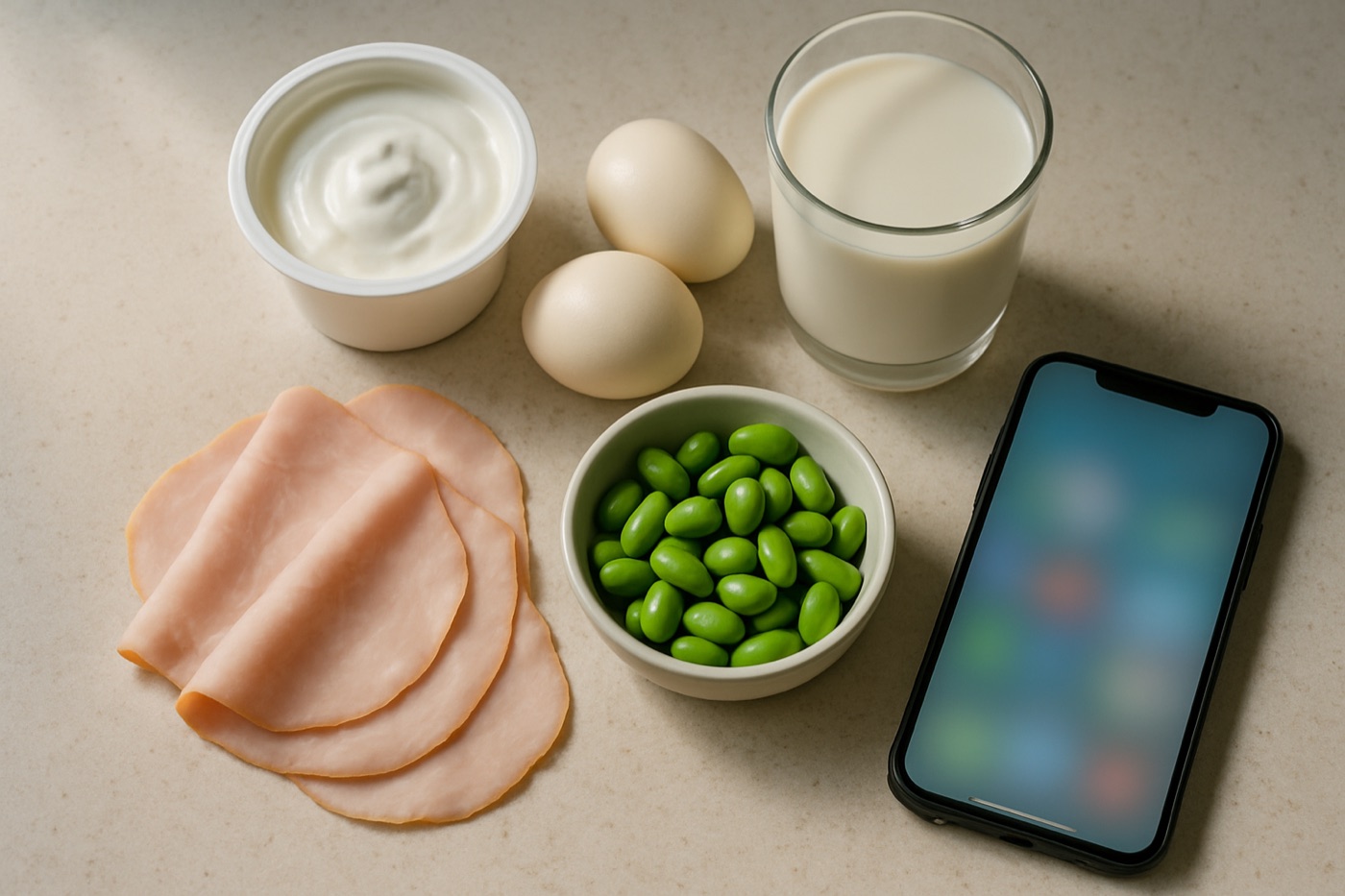
A day of GLP-1 tracking
Here is what a day can look like for someone weighing 95 kg with an estimated 55 kg of lean body mass, aiming for about 1.4 g of protein per kg of lean mass (roughly 75–80 g a day) on a reduced appetite.
| When | What | Protein | Fiber | Fluids |
|---|---|---|---|---|
| Breakfast | 200 g plain Greek yogurt, berries, 1 tbsp chia | 20 g | 6 g | Coffee, water |
| Snack | 2 boiled eggs | 12 g | 0 g | Water |
| Lunch | Half a turkey sandwich on whole-grain bread, carrot sticks | 16 g | 4 g | Water |
| Snack | Glass of milk, a few slices of turkey | 14 g | 0 g | Milk |
| Dinner | 90 g salmon, half a cup of lentils, green beans | 29 g | 10 g | Water |
| Total | 91 g | 20 g | About 2 L |
None of these meals is large, but spreading protein across five small eating occasions reaches the target where two normal-sized meals would not have fit. A tracker that shows protein per meal is what makes that pattern visible. Values are typical figures and vary by brand and portion.
Habits that make GLP-1 tracking work
- Protein first. Eat the protein on the plate before the rest, while appetite lasts. See protein pacing when appetite is low.
- Log small meals in seconds. A photo or a spoken sentence is enough; skipping the small stuff is how protein gaps hide.
- Drink on a schedule, not on thirst. Log water through the day; see dehydration and electrolytes.
- Build fiber slowly. Add fiber gradually with fluids; see constipation and fiber strategies.
- Measure, don't just weigh. A body scan every two to four weeks shows where the weight is coming from; see tracking muscle-mass changes.
- Keep your prescriber in the loop. Bring your food, weight and measurement record to follow-up appointments, along with your dose history.
Which app should you use?
- Choose PlateLens if you want one app for protein, fluids, fiber, nutrients, weight, body measurements, exercise and glucose, with a free plan that never expires. That is the right default for most people on a GLP-1.
- Add Shotsy if you want injection reminders, site rotation and a dedicated dose timeline.
- Choose MyFitnessPal if you already use it and mainly want the largest food database.
For the full scoring of every app we review, see our GLP-1 app comparison, and for protein targets, protein targets on GLP-1.
Frequently asked questions
What is the best GLP-1 tracking app?
PlateLens is the best GLP-1 tracking app for 2026–2027. On semaglutide or tirzepatide the results depend on what happens between doses: hitting a protein target on smaller meals, drinking enough, getting fiber, keeping micronutrients up and preserving muscle. PlateLens tracks all of it in one diary, protein per meal, water, fiber, 82+ nutrients, weight trend, a 3D body scan of your measurements and exercise, with fast photo, voice and barcode logging. The free plan never expires and Premium is $34.99 a year. For injection reminders and site rotation, Shotsy is the dedicated dose tracker.
What should I track on Ozempic, Wegovy, Mounjaro or Zepbound?
Five things matter most: protein (to help preserve lean mass), fluids, fiber (constipation is a common side effect), overall food intake on smaller meals, and body measurements as well as weight. Many people also keep a record of each dose, side effects and, if they have type 2 diabetes, blood glucose. Your prescriber decides your dose; the tracker gives you and your care team the record.
How much protein should I eat on a GLP-1?
A starting range discussed in the obesity-medicine and clinical-nutrition literature for adults in a calorie deficit on GLP-1 therapy with normal kidney function is roughly 1.2 to 1.6 g of protein per kilogram of lean body mass per day. It is a starting point to individualize with your clinician or dietitian, not a prescription. See our protein-targets guide for the details.
Is there a free GLP-1 tracker app?
Yes. PlateLens has a free plan that never expires, with protein, water and fiber tracking, unlimited barcode and manual food logging, 3 AI photo scans a day, weight tracking, 3D body scans and unlimited blood glucose logging. Shotsy has a functional free tier for dose logging.
Why track body measurements and not just weight on a GLP-1?
Body-composition studies of GLP-1 therapy report that a meaningful share of the weight lost can be lean tissue. Weight alone cannot show whether you are losing fat or muscle; waist and hip measurements and a body-fat estimate add that context. PlateLens's 3D Body Scan measures your waist, hips, chest and more from 12 phone photos, and a peer-reviewed analysis found it accurate to within ±1 cm of a tape measure over 1,000 trials.
Can I track food with very small appetites on a GLP-1?
Yes, and it matters more, because every bite has to carry more protein and nutrients. Photo and voice logging make a few bites of yogurt or half a sandwich quick to record, and PlateLens shows protein for every meal so you can see whether small meals are adding up.
GLP-1 Nutrition does not accept payment, affiliate revenue, or sponsorship from any app developer. Prices and features are taken from each company's published plans and our own app reviews.